
Back to Blog
Blog
Dirt Piles, Duck Clubs, and a Healthier Great Salt Lake
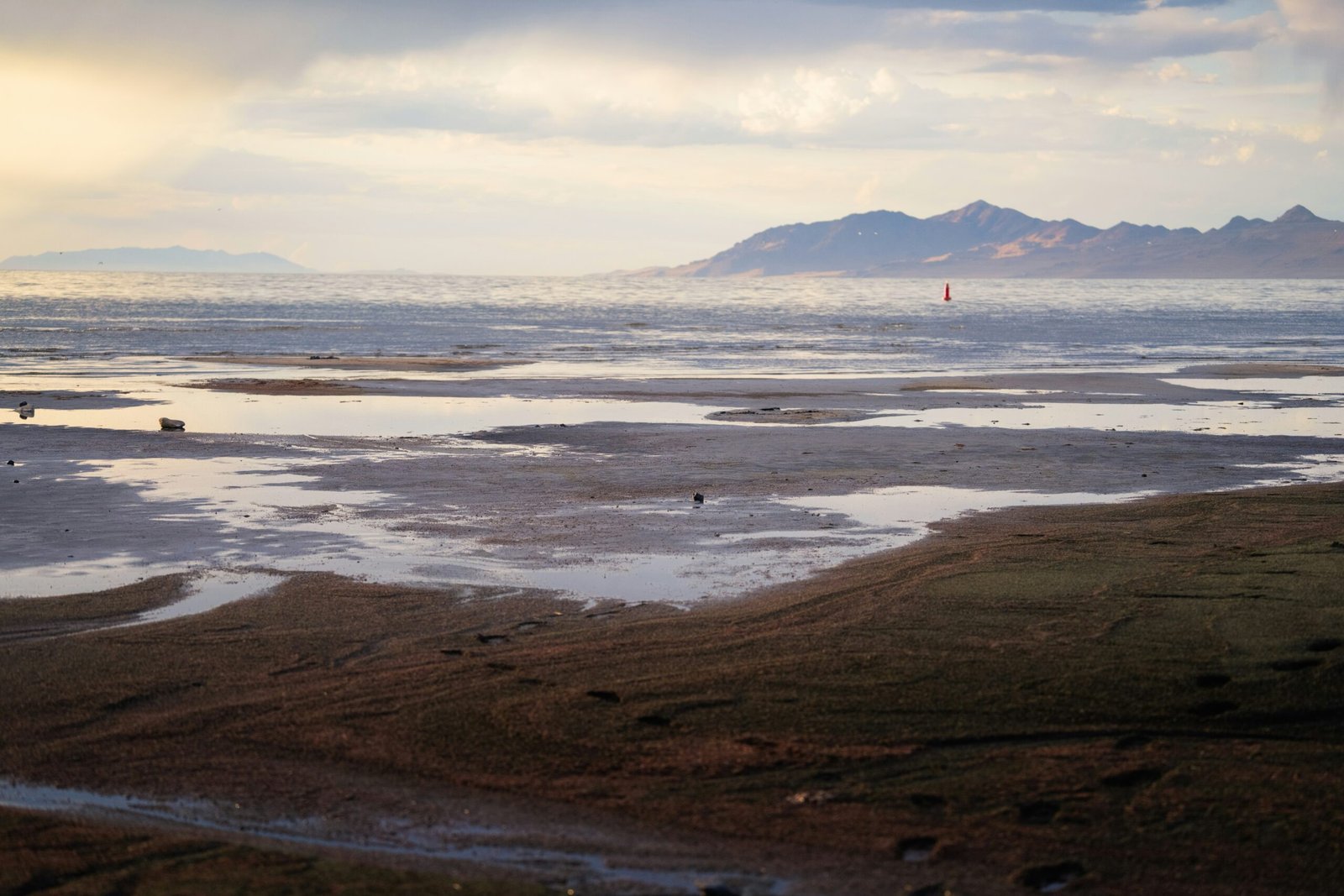
It was my second day on the job at the Great Salt Lake Alliance (GSLA), and we were already heading out to the big, stinky, buggy Great Salt Lake.
Apart from a few trips to Antelope Island and glimpses from an airplane, I had not really experienced the lake. It had always been that big body of water to the West that Utah is known for, but one that didn’t seem to impact my everyday life. That perspective was about to change.
Working at GSLA means learning about the complexities of the Great Salt Lake and the many solutions underway to protect it. One organization leading important conservation efforts is our partner, Ducks Unlimited (DU), an international nonprofit dedicated to conserving, restoring, and managing wetlands for waterfowl and people.
The Great Salt Lake ecosystem supports around 12 million birds along major migratory routes. Keeping its wetlands healthy is essential for these birds, and Ducks Unlimited is working to do just that.
In mid-September, the DU team took GSLA and other supporters on a field trip to see some of their projects firsthand.
Stop 1: A Dirt Pile with a Purpose
Our first stop was the Ogden Bay Waterfowl Management Area. We piled into DU vehicles and headed down dirt roads as Coryna Herbert, a DU Biologist, pointed out the different features of the wetlands, from northern harriers (marsh hawks) to invasive phragmites.
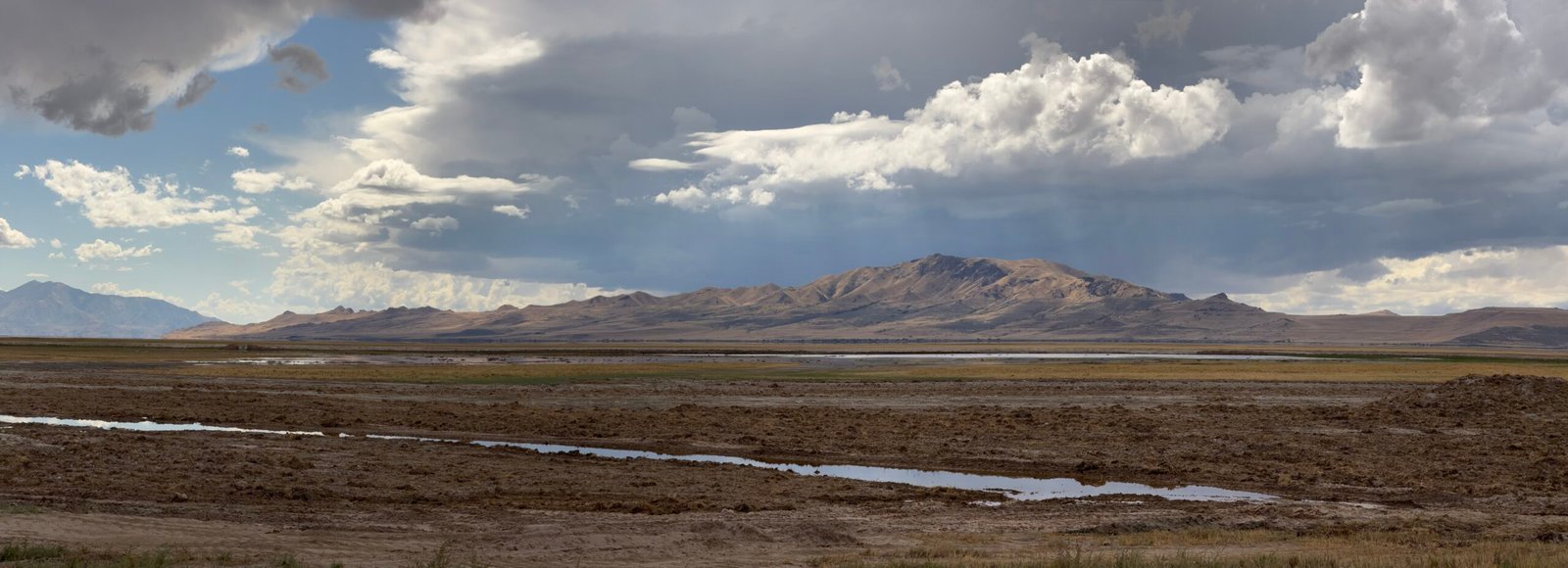
Eventually, we stopped at what appeared to be a giant dirt pile, surrounded by deer flies.
While it didn’t look like much to my untrained eye, to Korey Walsh, a DU Regional Civil Engineer, it was a beautiful project in process.
DU is reconstructing a dike that has been non-functional for decades by removing sediment accumulated in adjacent wetlands to recreate normal wetland topography. Once completed, this dike will increase the diversity of wildlife habitats and give land managers more control of how water from the Weber River moves through wetlands, helping them maintain healthier habitats.
Stop 2: More Than Just Filling the Lake
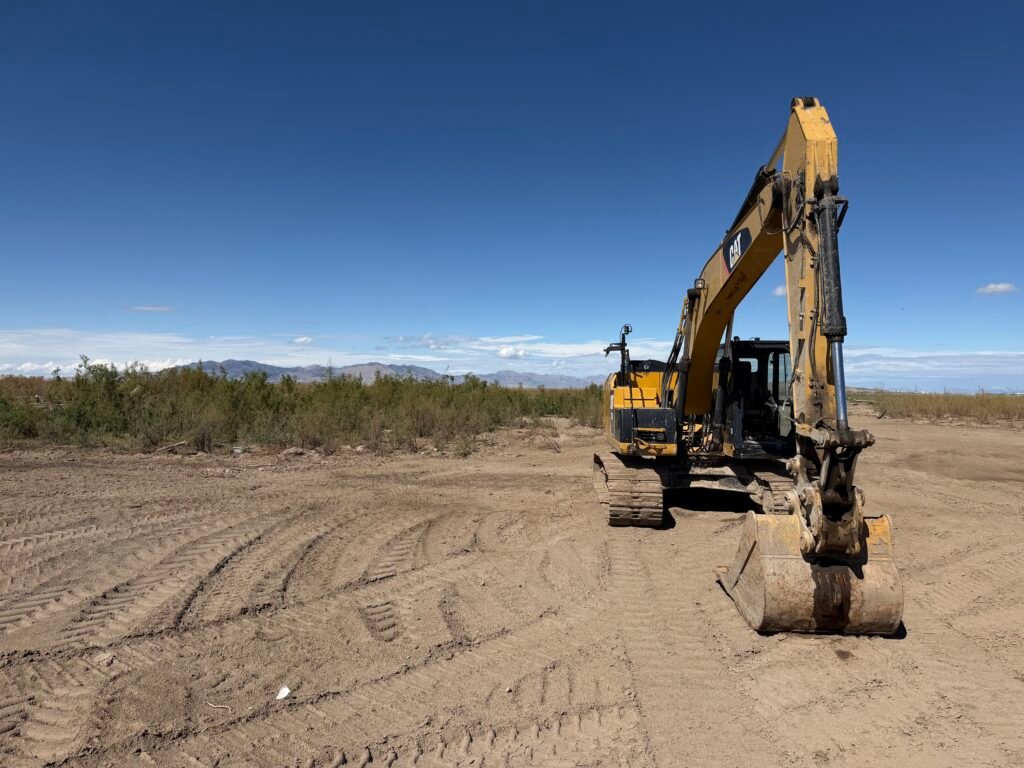
Next, we headed across the bay from Antelope Island to visit a project DU is working on with the Nature Conservancy and State Sovereign Lands. This project involved, you guessed it, moving more dirt piles from an impounded wetland to create a functioning structure. This time, they were being used to repair a levee and improve the wetland habitat.
One of my biggest takeaways from this stop was that saving the Great Salt Lake isn’t just about getting water to the lake itself.
The surrounding wetlands are equally important. Healthy wetlands provide critical bird habitat, help limit exposed areas that can contribute to dust, and make it harder for invasive species to take over.
Protecting these environments benefits wildlife and the communities living along the Wasatch Front.
Stop 3: Modernizing Water Management
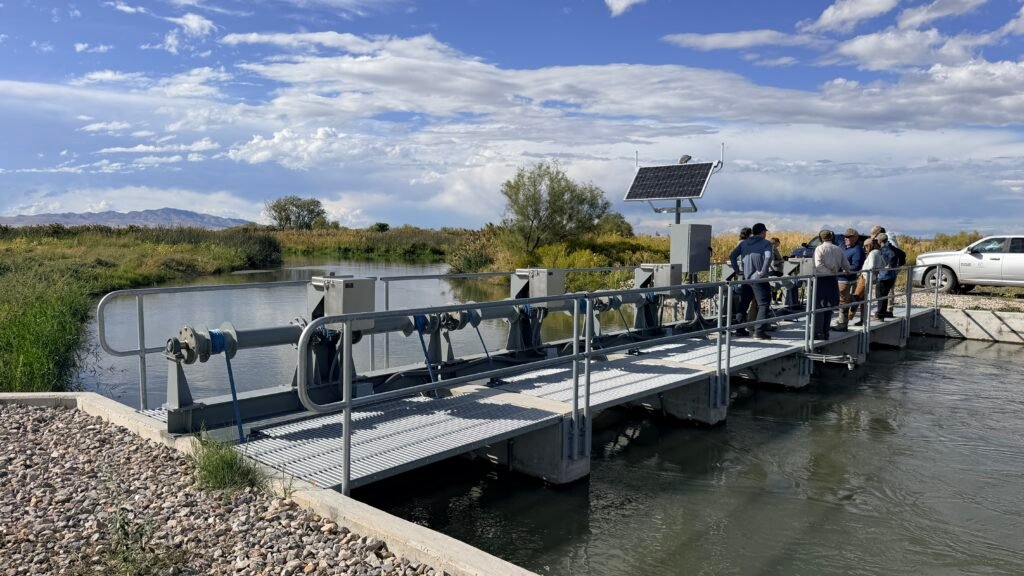
Our final stop was Burnham Dam, located off Farmington Bay, where we saw how upgrading aging infrastructure can make a big difference.
Previously, managing water flow at the dam required someone to physically remove or replace wooden boards while balancing between concrete pillars in the river. Not exactly the safest or most efficient system.
Korey designed a modern replacement that uses a solar-powered mechanical system to raise and lower metal gates. Water managers can now operate it remotely or onsite.
We even got to see a live demonstration when Korey spotted a log caught on one of the gates. With a few adjustments at the control box, the gate lowered, and the log floated freely down the river.
Another unexpected lesson came from learning about the role of duck clubs in conservation.
Before this trip, I knew little about duck clubs and had some preconceived notions about hunting. But Mitch Jenkins, a DU restoration biologist, explained how these membership-based hunting clubs help maintain healthy wetlands habitats. After all, attracting waterfowl requires creating an environment where birds want to spend time.
I left with a newfound appreciation for the role these clubs can play in protecting the Great Salt Lake ecosystem.
A New Perspective on the Lake
By the end of the day, I was exhausted, a little bug-bitten, and genuinely excited.
Seeing these projects firsthand helped me understand just how much work goes into protecting the Great Salt Lake. From rebuilding dikes to modernizing dams, the solutions aren’t always glamorous, but they make a difference.
Most importantly, I saw how organizations like Ducks Unlimited, The Nature Conservancy, local landowners, and the Great Salt Lake Alliance each have an active role to play in restoring this incredible ecosystem.
The lake is still big, stinky, and buggy, but remarkably awesome. I can’t wait to learn more.
A big thank you to Ducks Unlimited for showing us the incredible work happening around the Great Salt Lake!
Written by Shae Wood, Program Coordinator, Great Salt Lake Alliance
Related Articles